
7 Critical Mistakes to Avoid When Choosing a Watermaker for Your Boat Short Description
Choosing a watermaker for your boat involves much more than comparing production capacity and prices. Discover the 7 most common mistakes and learn how capacity, energy consumption, installation space, maintenance, and your boat’s specific requirements should be considered when selecting the right system.
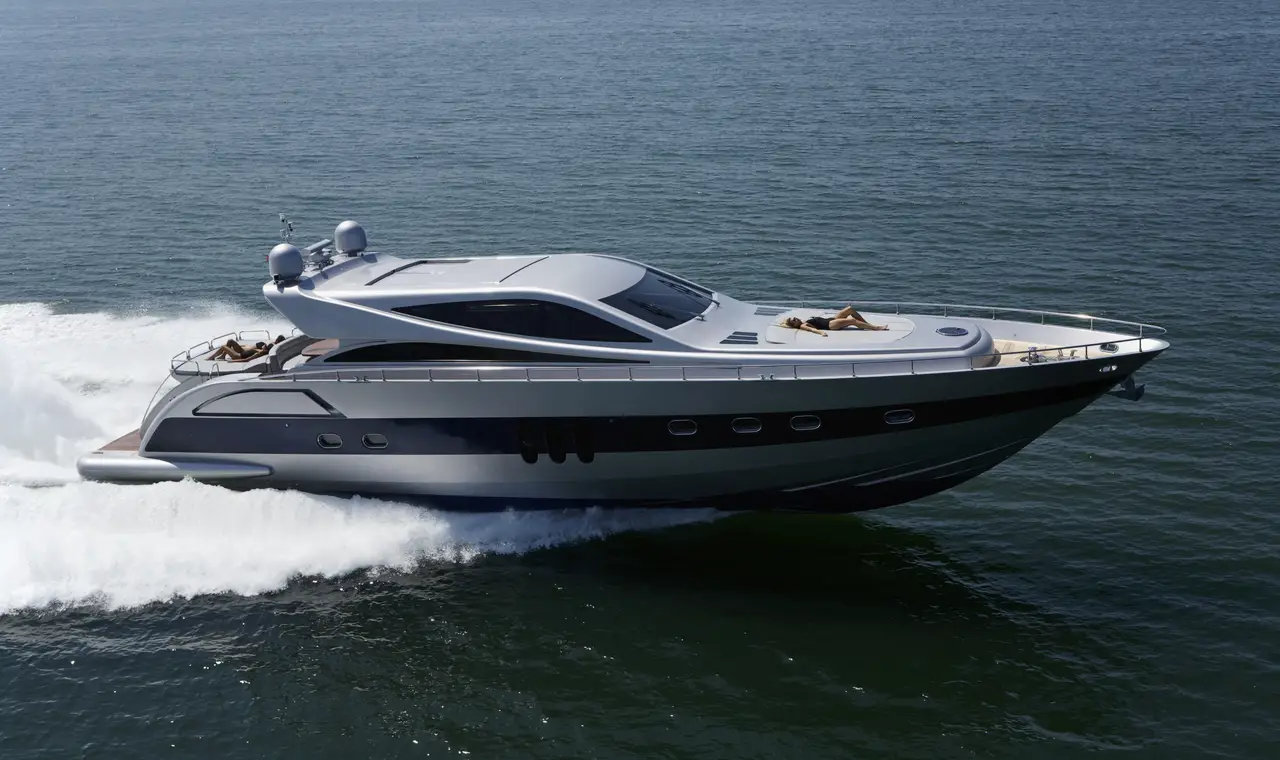
Access to a reliable supply of fresh water is an essential part of life on board, especially for boats spending extended periods at sea. However, choosing the right watermaker is not simply about selecting a system with the highest production capacity or the lowest price.
Boat size, number of people on board, cruising duration, water consumption, electrical infrastructure, installation space, and maintenance requirements all play an important role in determining the right system.
Choosing a system without considering these factors can result in unnecessary energy consumption, insufficient water production, installation difficulties, or increased maintenance requirements.
The right question is therefore not simply “Which watermaker is the best?”, but rather:
“Which watermaker is the right fit for my boat?”
Here are seven critical mistakes to avoid when choosing a watermaker.
1. Choosing a Watermaker Based Only on Production Capacity
One of the first specifications people look at when choosing a watermaker is its production capacity, usually expressed in litres per hour (L/h).
A higher production capacity may seem like the obvious choice. However, the largest-capacity system is not necessarily the most suitable one for every boat.
A boat used by two people for short weekend trips has very different water requirements from a vessel carrying several people during extended offshore cruising.
When determining the required capacity, several factors should be considered together:
- How many people are normally on board?
- How long does the boat typically stay at sea?
- What is the average daily water consumption?
- What is the capacity of the fresh water tank?
- How frequently will the watermaker operate?
- What is the available electrical capacity?
The goal should not be to select the highest possible production capacity, but to choose a system that matches the boat’s actual water requirements.
The Right Approach
Watermaker capacity should be determined according to the boat's real operating conditions and usage patterns. This helps prevent both undersized systems and unnecessary overcapacity.
A watermaker does more than produce fresh water; it also draws power from the boat's electrical system.
For this reason, energy consumption is just as important as production capacity when selecting a system.
This is particularly important on boats where available energy is limited. The watermaker should be compatible with the vessel’s existing electrical infrastructure.
The generator, inverter, battery bank, and other electrical equipment should all be considered when evaluating the overall system load.
The important question is not only:
“How much water does this system produce?”
but also:
“How much energy does it require to produce that water?”
The right watermaker should provide sufficient fresh water while operating efficiently within the boat’s existing energy infrastructure.
Another common mistake is choosing the watermaker first and deciding where to install it afterwards.
The fact that a system physically fits into a space does not necessarily mean that the location is suitable for installation.
The installation area should provide sufficient access not only to the main unit but also to the components that require regular inspection and maintenance.
The following should be considered:
- Seawater connections
- Fresh water connections
- Reject water discharge
- Electrical connections
- Pre-filters
- Pumps
- Membranes
- Control equipment
- Ventilation
- Accessibility for maintenance
Why Does This Matter?
A system may operate perfectly when first installed, but months later, a simple filter replacement or maintenance procedure can become unnecessarily difficult if the components are not easily accessible.
For this reason, installation planning should be part of the watermaker selection process from the beginning—not an afterthought.
Every boat has different operating conditions and water requirements.
A motor yacht, sailing yacht, catamaran, commercial vessel, or long-range cruising boat may require completely different water production solutions.
For example, a boat used occasionally for weekend trips will have very different requirements from a vessel that spends weeks or months at sea.
A proper watermaker selection should therefore consider:
Boat type + intended use + number of people + cruising duration + electrical infrastructure + existing water system
as one integrated system.
The objective is not simply to evaluate the specifications of the watermaker, but to understand how the system will integrate with the boat as a whole.
Another common mistake is comparing watermakers based solely on their initial purchase price.
The cost of a watermaker does not end with the purchase.
Over time, additional factors may contribute to the total cost of ownership, including:
- Filter replacements
- Membrane maintenance
- Spare parts
- Servicing
- Energy consumption
- Installation
- Commissioning
For this reason, comparing two systems only by their initial prices can be misleading.
A Better Question
“What is the total cost of operating and maintaining this system over time?”
A proper evaluation should consider not only the initial investment but also the system’s long-term maintenance, service, energy, and operational requirements.
Regular maintenance is essential for maintaining the long-term performance of a watermaker.
However, maintenance requirements are often overlooked during the purchasing process.
When choosing a system, it is worth asking:
- Are the filters easily accessible?
- Can the membrane be inspected and replaced conveniently?
- How is routine maintenance performed?
- Are spare parts readily available?
- Is technical support available when needed?
This becomes especially important for boats that spend long periods away from port.
A watermaker should therefore be evaluated not only by its performance on the first day, but also by how easily it can be maintained and serviced throughout its operational life.
Perhaps the most important mistake is viewing a watermaker as an independent piece of equipment that can simply be installed somewhere on board.
In reality, a watermaker is part of the boat’s wider water and energy infrastructure.
It interacts with:
the seawater system, electrical system, fresh water tanks, plumbing, pumps, and the boat’s operating habits.
This means the key question should not simply be:
“Which watermaker should I buy?”
Instead, it should be:
“What kind of fresh water production system does my boat actually need?”
This approach allows the entire process—from system selection and installation to commissioning and maintenance—to be planned more effectively.
The first step in choosing the right watermaker is not selecting a specific model. It is understanding the boat’s actual requirements.
1. Determine the Water Requirement
How many people will use the system, and what is the expected daily water consumption?
2. Evaluate the Intended Use
Will the boat be used for short trips, seasonal cruising, or extended offshore voyages?
3. Assess the Electrical Infrastructure
Can the boat’s existing electrical system support the selected watermaker efficiently?
4. Plan the Installation Area
Is there sufficient space not only for the unit but also for connections, operation, inspection, and maintenance?
5. Consider Long-Term Maintenance and Service
How will the system be maintained, serviced, and supported throughout its operating life?
When these factors are considered together, choosing a watermaker becomes more than a product selection process—it becomes a boat-specific system planning process.
The most common mistake when choosing a watermaker is focusing on a single specification or simply looking for the lowest purchase price.
In reality, the right system requires a combined evaluation of:
production capacity, energy consumption, installation space, intended use, maintenance requirements, and the boat’s existing infrastructure.
The goal is not necessarily to find the highest-capacity system or the lowest-priced option.
The goal is to find the system that best matches your boat.
At Titan Watermaker, we take a comprehensive approach to watermaker solutions—from system planning and professional installation to commissioning, user support, maintenance, and technical assistance.
Because the right watermaker is more than a device that produces fresh water.
It is an important part of your boat’s overall living and cruising system.
Plan the Right Watermaker Solution for Your Boat
Choose a watermaker solution based on your boat’s specific water requirements, operating conditions, and existing infrastructure.